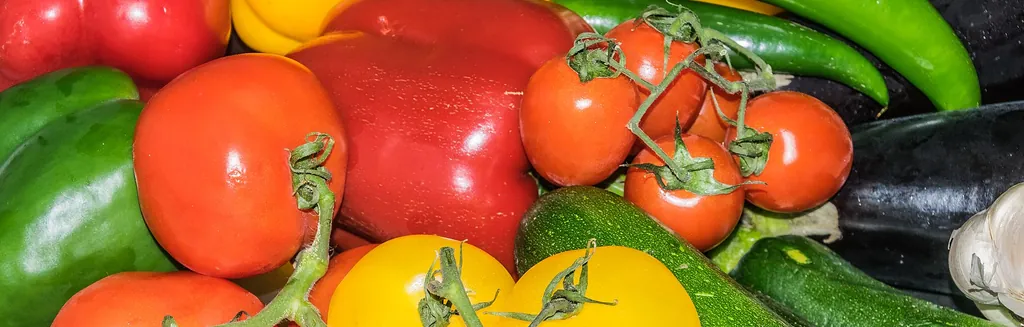
Some travel memories fit in a suitcase, and others you carry home in your hands. A Provençal cooking class belongs to the second kind: long after you have left the Luberon, you catch yourself slicing an onion just the way you learned it here, whisking up a flawless aïoli, or recognising at the market the scent of a truly ripe tomato. Of all the experiences we suggest to our travellers, it is one of the most lasting — because it does not simply fill your stomach, it gently changes the way you cook forever.
Around Gordes, the choice is rich and genuine: chefs settled in old sheepfolds, wine estates opening up their kitchens, family farmhouses where you learn recipes handed down from one generation to the next. In this guide, we explain how a workshop unfolds, what you really learn, how to choose between a group class and a private lesson, and where to find the best addresses just minutes from Le Clos de Manon. One thing is certain: you arrive a food lover and leave a cook.
Cooking Provence, an experience in its own right
Provençal cuisine is not a cuisine of technique, it is a cuisine of produce. Everything starts with the quality of an olive oil, the ripeness of a tomato, the freshness of a basil picked that very morning. That is precisely what makes learning it so rewarding: you do not need years of experience to pull off a memorable ratatouille, you simply need to understand a few simple gestures and respect the rhythm of the seasons. A workshop passes on exactly that grammar — the one hiding behind the apparent simplicity of the South.
Taking a class also means stepping into a cultural story. Rooted in the great tradition of the Mediterranean cuisine recognised by UNESCO, the Provençal table tells of centuries of exchange around the olive tree, garlic, hillside herbs and vegetables from the kitchen garden. The chef who welcomes you does not just hand over recipes: they share a memory, family anecdotes, the name of the grower who supplies their courgettes. It is this human dimension that turns a simple workshop into a true moment of travel.
Finally, a cooking class is a wonderfully convivial activity. There is plenty of laughter, constant tasting, and learning by doing. It is an experience to share as a couple, with family or among friends, and it naturally carries on around the table once the dishes are done. To better understand the food-loving world these workshops belong to, we recommend browsing our Luberon food guide, which paints the full portrait of an exceptional terroir.
Start at the market
The best workshops do not begin in the kitchen, but on the village square, basket in hand. The market visit is often the first step, and one of the most instructive. The chef guides you from stall to stall, teaching you to pick an aubergine with taut, glossy skin, to tell a heirloom tomato from a greenhouse variety, to smell a melon by its stalk. You meet the local growers, talk seasonality, and put together the day's menu based on what the land is actually giving.
This immersion gives full meaning to the meal that follows. Cooking becomes obvious once the ingredients have been chosen one by one, with discernment. The Luberon has some of the most beautiful markets in Provence, and many chefs deliberately schedule their workshops to match those days. To prepare your visits, dive into our guide to the Provençal markets of the Luberon, which details the days and specialities of each village.
Here are the markets we most often recommend to our guests for combining shopping and a workshop, all easily reached from Gordes:
- Gordes — Tuesday morning, a ten-minute walk from Le Clos de Manon;
- Coustellet — Sunday morning, a much-loved farmers' market, 15 minutes away;
- Apt — Saturday morning, the largest market in the Luberon, 30 minutes away;
- Cavaillon — Monday morning, the kingdom of the melon in summer, 25 minutes away.
The classics you learn (ratatouille, tapenade, aïoli)
At the heart of every Provençal cooking class lies a repertoire of iconic dishes every visitor dreams of mastering. Ratatouille tops the list: far from the shapeless stew you might picture, real ratatouille is cooked vegetable by vegetable, each one seared separately to keep its texture and flavour, before the final assembly. It is a lesson in patience and precision that never fails to surprise our travellers.
Next come the essential southern apéritif bites and condiments, easy to recreate at home:
- tapenade, a purée of black olives, capers, anchovies and olive oil, with every chef having their own version;
- aïoli, an emulsion of garlic and olive oil, served with poached cod and steamed vegetables on Fridays;
- anchoïade and pissaladière, two ways with anchovies and slow-cooked onions;
- soupe au pistou in summer, where basil crushed in a mortar makes all the difference.
Depending on the season and the chef's mood, the menu may also include a daube provençale simmered in red wine, Niçois petits farcis (stuffed vegetables) or a sun-vegetable tart. These recipes, deeply rooted in the terroir, are part of the region's DNA: to explore their full richness, our article on Provençal specialties sets out the delicious inventory, from savoury dishes to sweet treats.
Group workshops or private classes
Two main formats are on offer, and the choice comes down mostly to the atmosphere you are after. Group workshops usually bring together six to twelve participants around a single menu. It is the most convivial and affordable option: you cook side by side with other travellers, swap notes, and the collective energy makes the experience joyful. These classes are booked in advance and often sell out in high season.
Private classes, on the other hand, take place one-to-one with the chef — as a couple, with family or among friends. More intimate, they let you tailor the menu entirely to your tastes, your allergies or your level, and the pace stays completely flexible. It is the ideal format for a special occasion — a birthday, a honeymoon, a reunion. Many chefs even offer to come and cook at your accommodation, right in your rental, which is especially lovely when you are staying in a well-equipped villa.
The table below sums up the main differences to help you choose:
| Criterion | Group workshop | Private class |
|---|---|---|
| Participants | 6 to 12 people | 1 to 8 (your party) |
| Duration | 3 to 4 hrs | 3 to 5 hrs (flexible) |
| Indicative price / person | €90 – €130 | €140 – €250 |
| Menu | Fixed, chosen by the chef | Bespoke |
| Ideal for | Meeting people, set budget | Special occasions, families, at-home |
Classes around olive oil and herbs
Some workshops specialise in the two absolute pillars of southern cooking: olive oil and aromatic herbs. In a mill or an olive estate, you learn to taste an oil the way you taste a wine — spotting the peppery catch in the throat, the noble bitterness, the notes of artichoke or cut grass — then to pair it with the right dish. These tastings, often offered from November to February at harvest time, change forever the way you look at this everyday product.
The region's PDO olive oil is a treasure you learn to respect: a green-fruity oil is not cooked like a ripe-fruity one, and seasoning raw reveals all its complexity. To go deeper into the subject before or after your workshop, our feature on Provence olive oil gives you all the keys, from the mill to your plate.
The herbes de Provence are the subject of equally fascinating workshops. Thyme, rosemary, savory, sage, wild fennel: sometimes you set off to gather them on the hills before blending your own mix, or infusing a syrup or a flavoured vinegar. These classes, rooted in the nature of the Luberon Regional Nature Park, are a reminder that the garrigue itself is a larder, and that to cook Provence is, first of all, to know how to read its landscape.
Provençal pastry and desserts
It is easy to forget, but Provence has its sweet side too. Several workshops are devoted to pastry and southern desserts, less sugary than in the rest of France and always fragrant. The star remains the reinvented tarte tropézienne, but it is above all around fruit that the magic happens: Roussillon apricot tarts, cherry clafoutis, Cavaillon melon sorbets in the height of summer.
Christmas workshops have a particular flavour, as they introduce the famous thirteen desserts of Provençal tradition: nougats, dried fruits, calissons, and the orange-blossom-scented pompe à huile. It is a deep dive into the South's culinary heritage and family rituals, perfect for a winter stay. You also learn to make anise navettes or oreillettes, thin fritters dusted with sugar.
And then there is the fruit, ever-present in the local pastry tradition. The Cavaillon melon, figs, vineyard peaches and apricots make desserts as simple as they are unforgettable. To understand this fruity generosity that so inspires the pastry chefs, read our article on the Cavaillon melon and the fruits of Provence.
Who to turn to around Gordes
The good news is that options are plentiful within a twenty-minute radius of Le Clos de Manon. Several independent chefs run workshops in Gordes, Roussillon, Goult and Cabrières-d'Avignon, in often stunning settings — restored sheepfolds, gardens shaded by mulberry trees, kitchens open onto the vines. The Luberon's wine estates frequently pair tasting with a cooking class, for a full day on the theme of food-and-wine matching.
To choose your workshop, we advise our travellers to check a few points before booking:
- the language of the workshop (many chefs offer bilingual French–English classes);
- whether or not there is a market visit, which greatly enriches the experience;
- the group size, a sign of more personal guidance;
- the option to adapt the menu to special diets (vegetarian, gluten-free);
- whether the final tasting and the wine are included in the price.
To pinpoint the estates that best marry cooking and wine, our guide to wine tourism in the Luberon lists our favourite cellars and addresses. And to plan your stay around these experiences, the official Provence-Alpes-Côte d'Azur Tourism portal lists many of the region's food workshops and gourmet events.
Cooking on-site at Le Clos de Manon
If the idea of cooking Provence appeals to you, know that sometimes it all begins… right here with us. The villa has a fully equipped kitchen opening onto the terrace, ideal for recreating the recipes you gathered in a workshop or for hosting a chef who comes to cook at home. Picture it: a basket filled at the Gordes market in the morning, a private class in the afternoon facing the hills, then dinner shared by the heated pool, a glass of Luberon in hand. That is exactly the kind of day we love to make possible.
Many of our guests carry on the experience throughout their stay, trying out in the evening the gestures they learned the day before. The calm of the place, a ten-minute walk from Gordes, and the immediate proximity of markets and chefs make it an ideal starting point for a gourmet escape in the Luberon. To turn this longing into a real plan, you can now check our availability at Le Clos de Manon and dream up your stay around the flavours of the South.
A Provençal cooking class is, in the end, far more than an activity: it is a way of understanding Provence through taste, of meeting its artisans, and of leaving with a know-how you will share for years to come. We would be delighted to help you organise it, so do not hesitate to check our availability and write to us to plan your gourmet getaway together.